
Explore MV and HV transformer solutions for power grids, furnace loads, and compact substations, built for stable output, efficient cooling, and project flexibility.
Choosing the right transformer is rarely just about voltage. For international buyers, the real question is whether the unit can handle the load profile, installation environment, and long-term operating cost without creating extra complexity. That is why MV and HV transformer selection often starts with application first, not nameplate first.
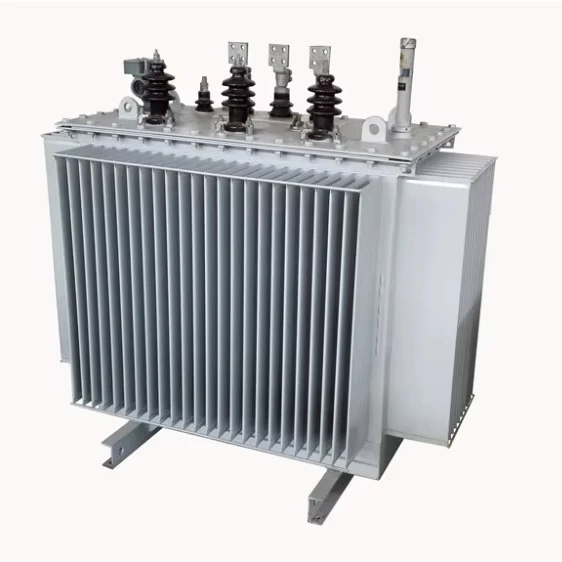
For utility and industrial projects, a three phase power transformer is a practical fit when a stable step-down solution is needed for medium-voltage networks. Its oil-immersed design, copper winding, and on-load tap changing support dependable operation across 50 Hz and 60 Hz systems, which is useful when procurement teams are sourcing for multi-region projects.
When the load is not standard
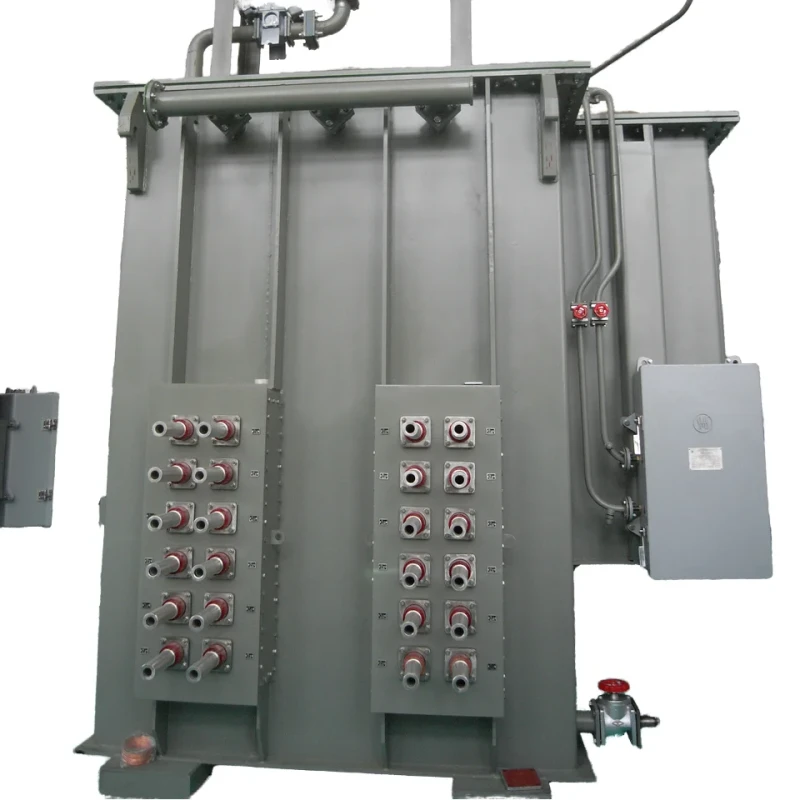
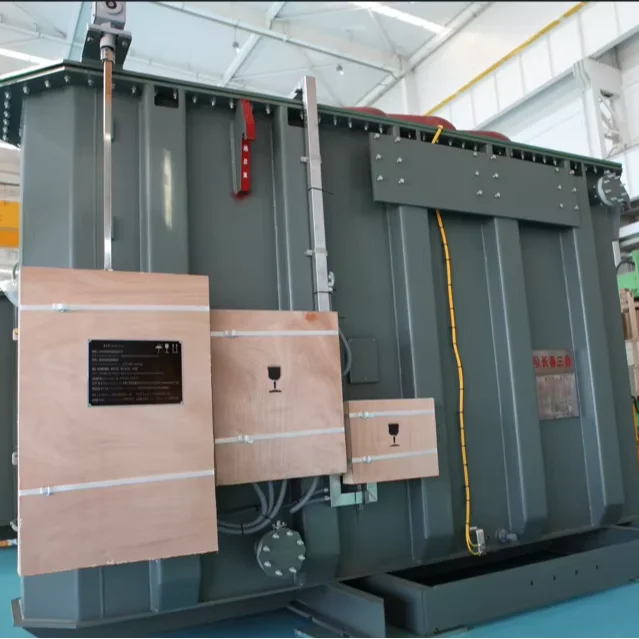
Not every transformer is built for conventional distribution. Smelting operations, for example, need equipment that can tolerate heavy electrical stress and fluctuating demand. In that case, an electric furnace transformer is designed for demanding industrial duty, where cooling method, winding strength, and operating temperature range matter as much as rated capacity.
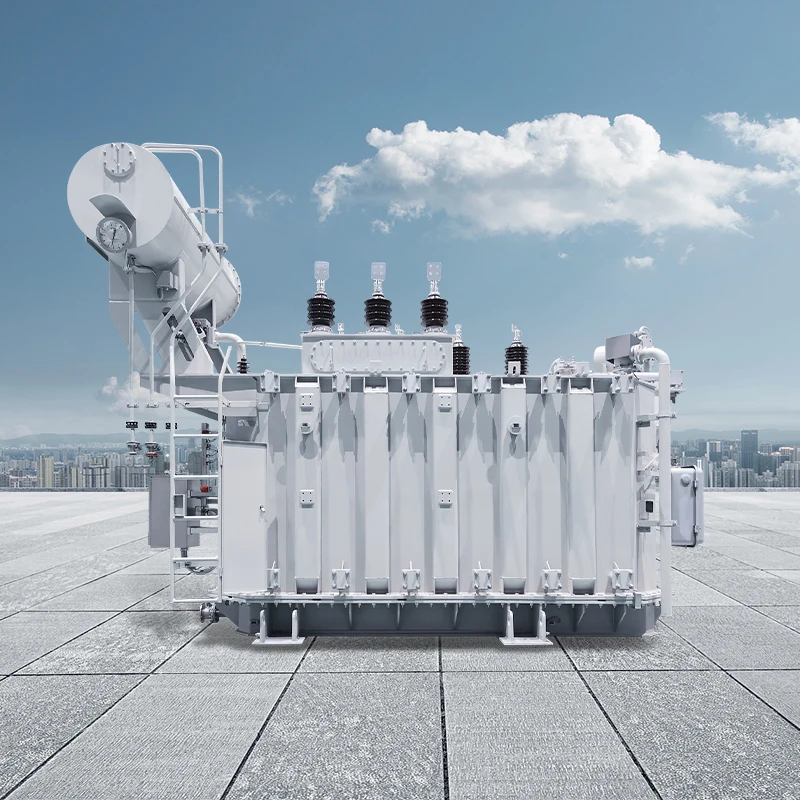
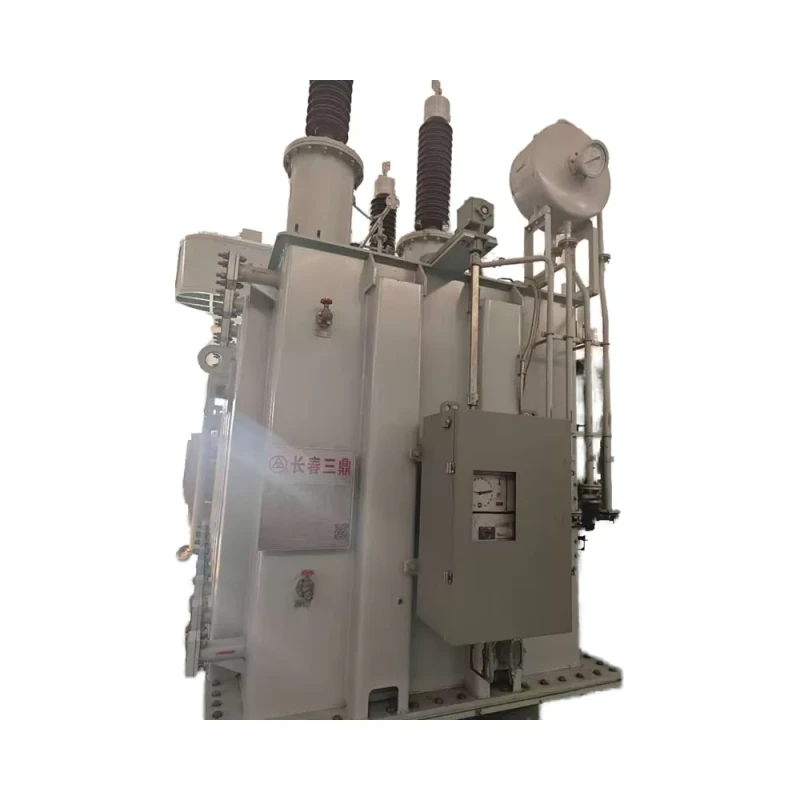
For higher-voltage power systems, project buyers often compare transmission-level options with substation-ready models. A 132 kV transformer is suited to larger grid interfaces, where performance consistency and standard compliance become critical procurement filters.
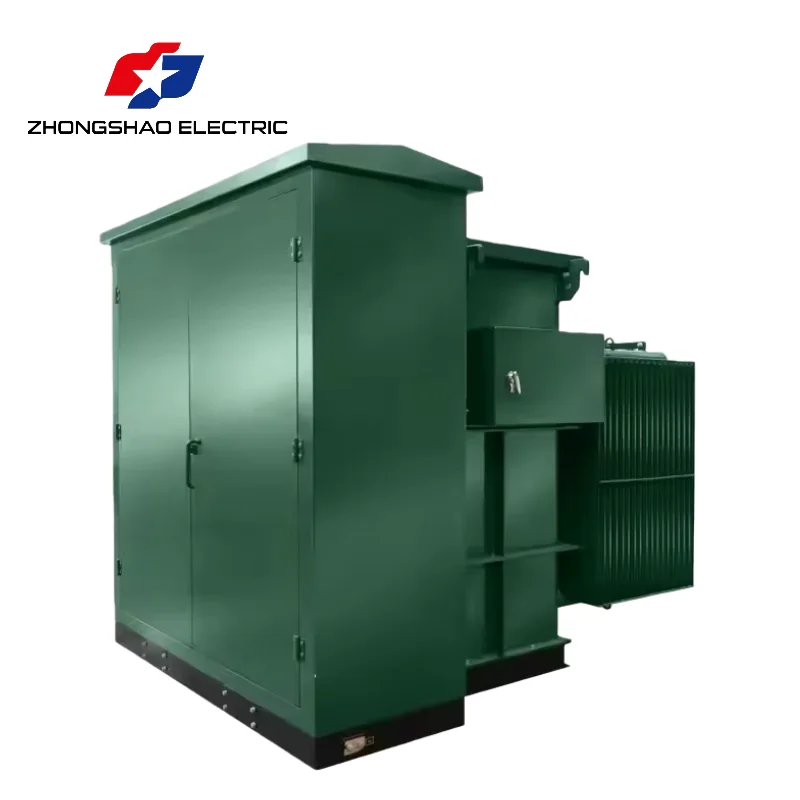
Compact solutions for space-constrained sites
When outdoor installation space is limited, a compact substation can simplify the entire power distribution layout. An outdoor compact transformer helps combine transformer and switchgear functions into a more manageable footprint, while still supporting distribution projects that need reliable IP-rated protection and flexible output options.
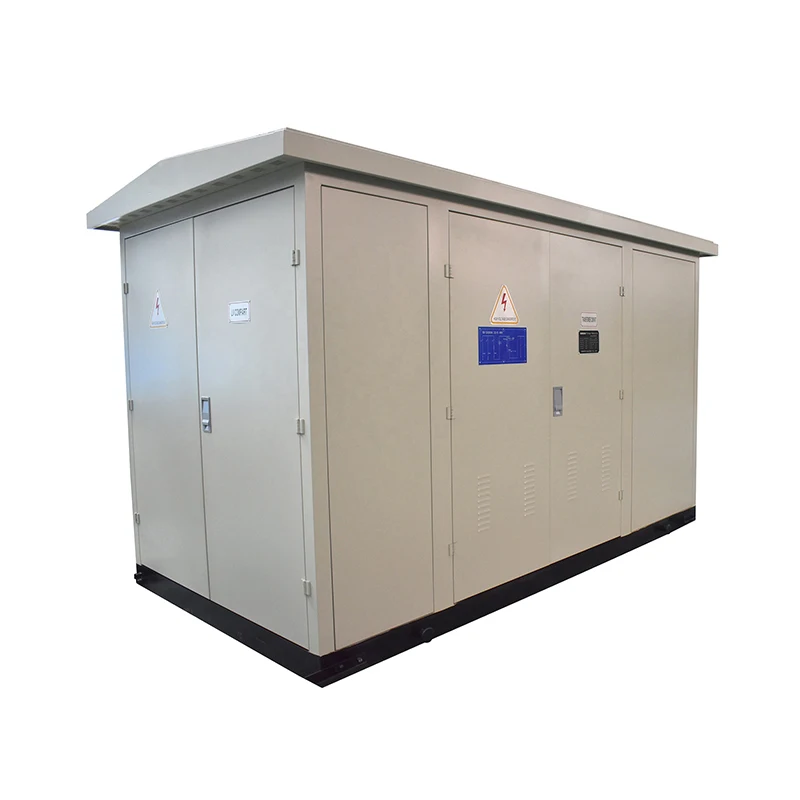
For buyers planning industrial parks, public infrastructure, or regional distribution upgrades, the advantage is clear: fewer integration steps, cleaner site planning, and easier coordination between electrical and civil teams. That is also why many sourcing teams review the broader switchgear range alongside the transformer itself.
If you are comparing specifications for a project, the best approach is to match voltage range, cooling method, and load type with the actual application. Send your requirements, and we can help you identify a transformer solution that fits your technical and commercial goals.